


Rethinking heroes: How to tell fuller stories of movements and advocacy
by: Heather Gehlert
posted on Tuesday, March 24, 2026
If history shapes what we believe is possible, then how we tell the story directly affects what we are able to achieve. Stories about the Civil Rights Movement, for example, continue to influence today’s advocacy for racial justice just as much as legal and policy victories do. Decades later, it’s easy to recall the bravery and grit of some of the movement’s biggest heroes, like Rosa Parks refusing to give up her seat on the bus or journalist Ida B. Wells investigating the horrors of lynching, because these are the stories we repeat regularly year after year. We share them in the news and on social media, during holidays and awareness months, in classrooms and at our kitchen tables. They are part of the country’s cultural fabric and motivate us to keep going during times of social and political upheaval.
It’s not surprising, then, that many organizers and advocates are devastated following a New York Times investigation revealing that Cesar Chavez, a United Farm Workers co-founder and one of the most renowned figures in the Latino civil rights movement, had sexually abused girls for many years, including UFW co-founder Dolores Huerta, an icon in her own right. In addition to expressing sadness and outrage, people are grappling with how to respond and raising important questions that will no doubt shape how we talk about farmworker organizing for years to come. Many have asked: Do we speak out and, if so, how? When such a central figure is accused of causing harm, how do we condemn their behavior without erasing broader historic contributions and positive social change? And, going forward, how do we create narratives that are more inclusive and enduring?
As our staff began grappling with these questions to equip advocates with guidance, we were heartened to see early examples of powerful messages being shared online. Some common threads emerged, with important implications and lessons for communicators, and we’ve distilled them below.
In situations like this, effective messages, whether from nonprofits, news outlets, or individual advocates, often do several key things:
Acknowledge complexity.
It’s OK to pause before communicating in the immediate aftermath of tragic news. Threading the messaging needle is tricky, and pivoting too soon or trying to sanitize a complex narrative can feel inauthentic and backfire. Instead, it can be helpful — and validating to your audience — to acknowledge discomfort and complexity while naming harm. After all, accountability strengthens movements rather than destroys them. That’s why we liked this message from Colsaria Henderson, the executive director of Next Door Solutions to Domestic Violence, one of many organizations that weighed in after the news broke. Her writing, excerpted below, shows that hope and heartache can coexist:
“Cesar Chavez was one of many that led and became the face of the United Farm Workers movement,” she wrote on LinkedIn. “He is known, loved, and revered as a former community member and leader in Eastside San Jose. The UFW movement has led to countless positive changes in families, systems, and in how the world understands humanity, modalities for social change, and People Power. The movement though did not stop or end with him. While he is often said to be the face of the movement, countless women, people, and families made undeniable contributions. Dolores [Huerta]’s account of abuse, released today, has broken our hearts and has us trying to hold and balance the public leadership and success needed for communities, with the horrific and irreparable harm an individual with power and privilege can cause.”
Center survivor voices.
It’s common and understandable for initial conversations following serious allegations to focus primarily on the perpetrator of harm. We see this in reporting on many types of violence, from mass shootings to sexual abuse. People want to know what happened to help them make sense of it. Those details matter, but they are only part of the story. It takes tremendous courage to come forward publicly as Debra Rojas, Ana Marguía, and other survivors did. We need to hear from those directly affected, if they feel safe enough to share.
The Associated Press brought a key survivor voice to its coverage, running an article by Susan Montoya Bryan headlined “Dolores Huerta Ends Her Silence, Champions Decades of Advocacy for Marginalized Groups.” Critically, the story doesn’t focus solely on her victimization at the hands of Chavez; it presents Huerta, a revered labor leader and feminist activist, as a whole person, highlighting her upbringing, accomplishments within the movement, and impressive accolades including the Presidential Medal of Freedom. “Members of Congress and state officials commend [Huerta] and the other women for coming forward,” Montoya Bryan wrote. “They say no one should have to suffer in silence to protect a man or a movement.”
Express shared values.
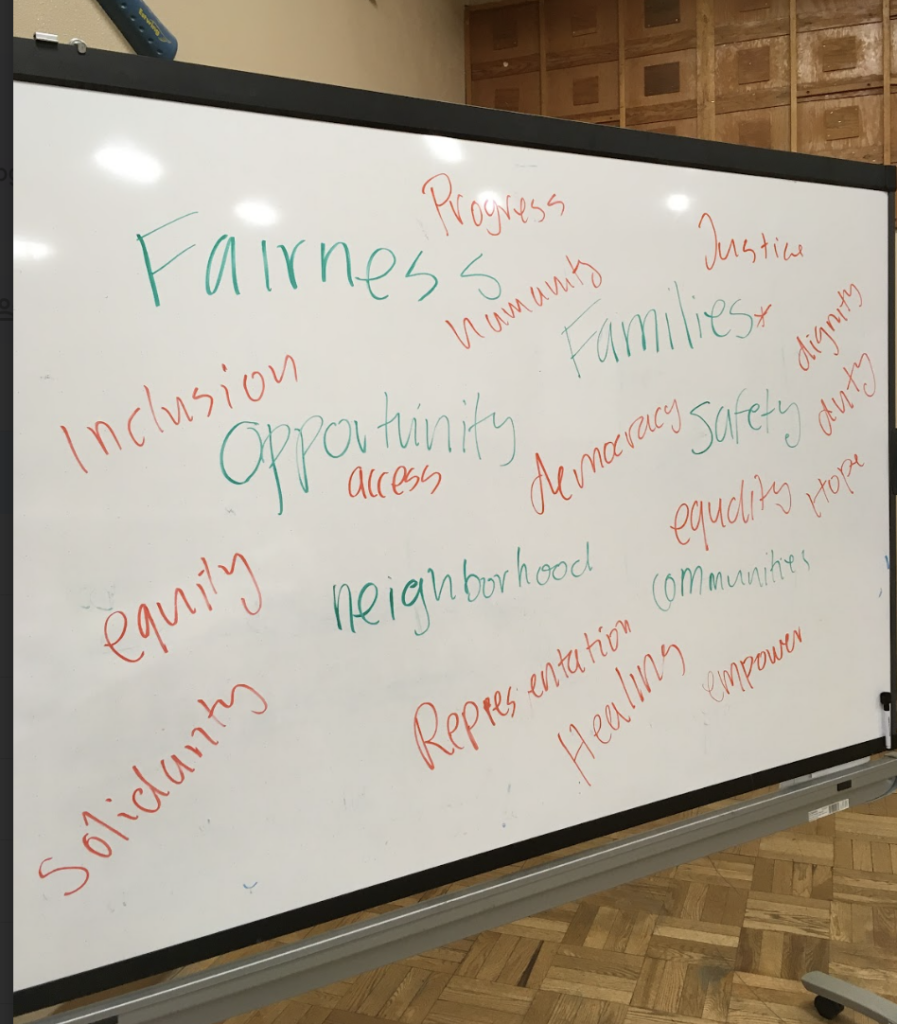
Several years ago, BMSG had the honor of leading a media advocacy training for the Dolores Huerta Foundation, a force in grassroots organizing. Participants brainstormed shared values to elevate in their communication and came up with words like “solidarity,” “community,” and “safety.” These same values are showing up in organizational messages, like one from Californians for Pesticide Reform. Under the heading “Solidarity with Survivors,” they called the allegations against Chavez “both crushing and inexcusable”: “We categorically condemn any actions of abuse and express our unwavering support to all those affected. We are heartbroken by the pain endured and stand firmly with the victims, survivors, and their families who have bravely come forward after years of silence and fear.” They also offered a link to valuable resources for anyone who has experienced sexual violence.
Additionally, a joint statement from Sí Se Puede Collective, YWCA Golden Gate Silicon Valley, and Next Door Solutions to Domestic Violence appealed to values such as honesty and responsibility: “Abuse transcends race, ethnicity, class, religion, and sector. It exists in every community, including those fighting for justice. … Let this be a turning point,” they wrote. “Let it be a reminder that no one should be placed beyond accountability. Leadership must never be conflated with infallibility. Movements must be strong enough to tell the truth about themselves.”
Expand the frame beyond the individual.
Many people have been quick to point out that we must elevate collective struggles and wins over singular icons. A statement from U.S. House of Representatives Speaker Emerita Nancy Pelosi does so powerfully and succinctly: “A movement is about the people — not any one person — and its strength lies in the values it upholds. We can honor the farmworker movement — and the generations who sacrificed to build it — while also confronting painful truths.” News coverage from The 19th echoes this sentiment with an article titled “The Women Leading the Farmworker Movement Won’t Let It Be Defined by Cesar Chavez.”
California, where Cesar Chavez day has long been celebrated as a state holiday, is already taking actions to rename it “Farmworkers Day.” Meanwhile, cities from Milwaukee to Dallas to Los Angeles are covering or removing public statues and murals in Chavez’s image and considering renaming parks, streets, and schools — actions that are bringing public attention to the role of women organizers, rank-and-file leadership, and farmworkers themselves in the movement for farmerworkers’ rights. Each of these actions will give advocates more opportunities to broaden the conversation in the weeks and months ahead.
Demand accountability and systemic change.
We know from history that when a powerful person abuses others, their behavior was possible in part because of the silence of others. While much attention is being paid to Chavez and the consequences of his crimes, we must also zoom out and look at how he was able to continue his abuse, unchallenged, for years. That includes examining the role of bystanders, — especially cis men — who, as veteran civil rights advocate Belma Gonzalez notes, must be willing to speak out, rather than stand by, “knowing & not saying anything.”
But individual action alone is not enough. Meaningful progress also requires broader culture change, as Sí Se Puede Collective, YWCA Golden Gate Silicon Valley, and Next Door Solutions to Domestic Violence, explain: “Survivors are too often not believed, not protected, and asked to carry the burden of silence. That silence is not accidental. It is shaped by power, by fear, and by systems rooted in white supremacy culture that prioritize reputation over truth, hierarchy over accountability, and the protection of institutions over the safety of women and girls.”
Moments like this can shake our understanding of history and the people we’ve looked to for inspiration. But they also offer an opportunity to tell fuller, more honest stories, to center those who have too often been overlooked, and to build movements that are stronger because they hold the people involved, including leaders, more accountable.
Even in the absence of harm, we must ensure our stories emphasize that social change requires sustained collective action. For example, Rosa Parks was not the first to challenge segregation in public transportation; she was part of a continuum of resistance that included Claudette Colvin and Mary Louise Smith-Ware. And although Parks’ defiance marked a pivotal moment, the Montgomery bus boycott lasted 381 days and involved thousands of nonviolent protesters. Ida B. Wells did not act in isolation either; she could not have debunked white myths about Black crimes without support from allies who funded, published, and publicized her research.
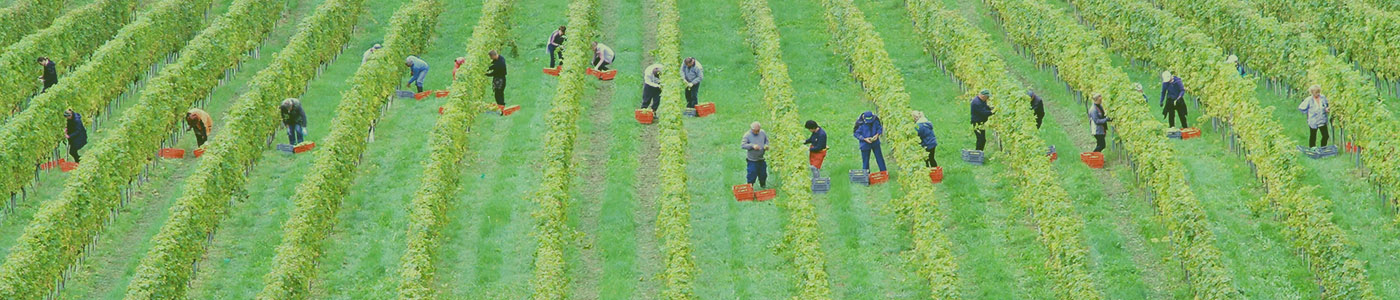
Similarly, the farmworker movement has always belonged to more than just one person. Countless workers, families, and organizers have labored in the fields, marched in the streets, and fought for dignity and justice, often without recognition. As advocates and communicators, we must carry the full story forward and make sure it’s the one that gets celebrated, repeated, and remembered.