



Behind the scenes of a 60 Minutes interview: What public health advocates can learn
by: Heather Gehlert and Saneeha Mirza
posted on Wednesday, April 15, 2026
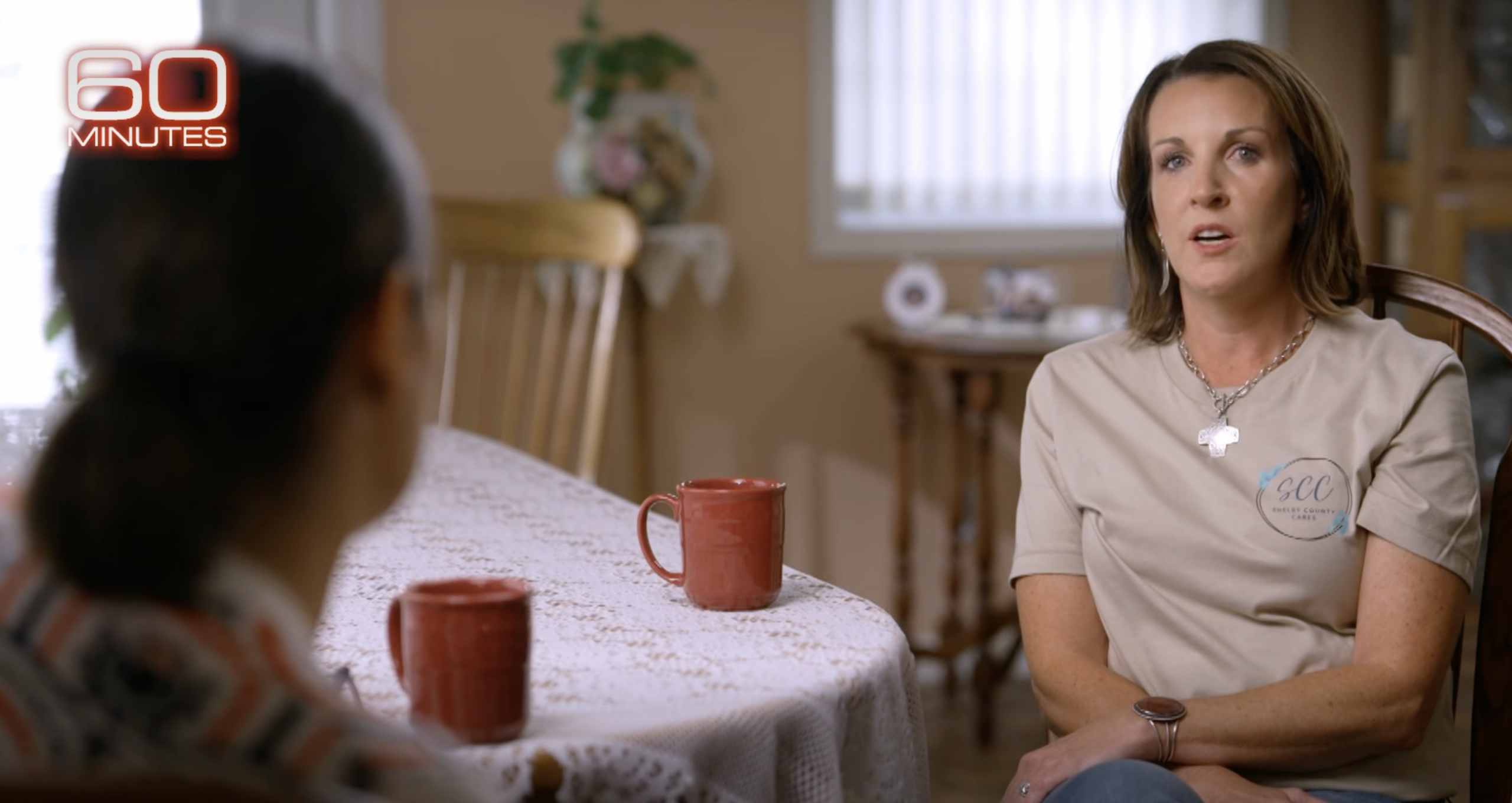
If someone had told Jolie Foreman that one day she would be speaking on a televised broadcast to 10 million viewers, she wouldn’t have believed them. The topic, firearm suicide, can be overwhelming even in private conversations, let alone on a national platform.
“Two years ago I couldn’t hardly get up at church and talk about it. … I get terrified — like stress city,” Foreman said.
Foreman is the director for Shelby County Cares, a nonprofit in rural Missouri that supports the well-being of farmers, a group with three times the general population’s risk of suicide. She and a cohort of volunteers connect them and their families to mental health resources and challenge the stigma that causes too many people, especially men, to suffer silently instead of reaching out for help.
“Anything about firearms is a very hard conversation, and it seems like anything about suicide is a very hard conversation, too,” Foreman said. “So it’s kind of a double whammy.”
Firearm suicide in general receives scant media attention, and its impact on farming communities is almost nonexistent in the news. That omission means that many people know very little about this health disparity or the underlying risk factors of a high-stress occupation like farming, which is shaped by financial volatility, unpredictable weather patterns, and other risks.
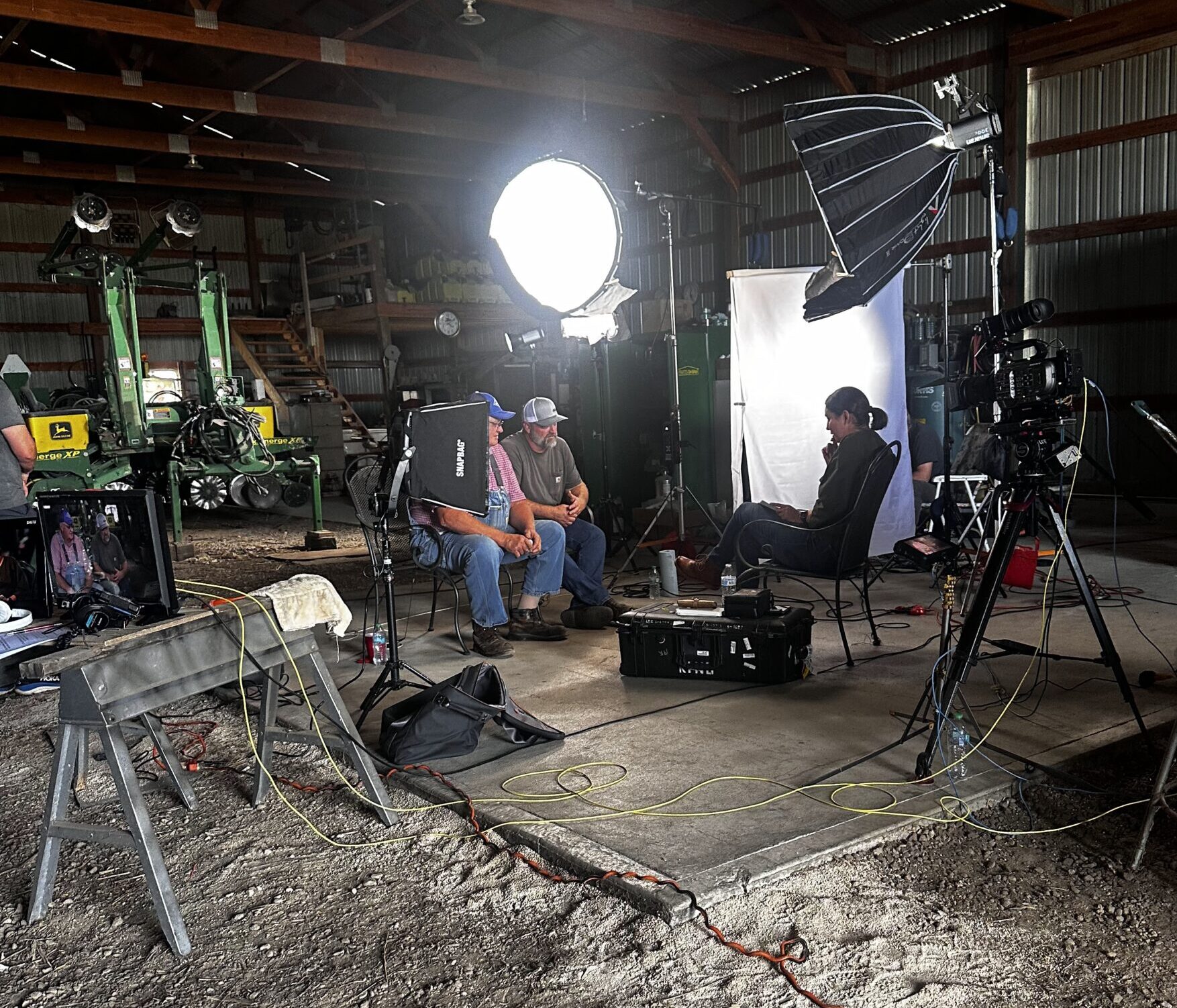
The silence and misconceptions surrounding firearm suicide are exactly why Foreman knew she had to overcome her nerves and say “yes” when she got a call from a 60 Minutes producer, asking to learn more from her and her community. And Foreman, a deeply private person who hates public speaking, wants other advocates to know that if she can survive the pressure-cooker intensity of a high-stakes interview, they can too.
She emphasized that the impact of gaining national coverage made the short-term stress worth it.
“The coverage created credibility and visibility that small, rural organizations rarely get,” Foreman said. “It opened doors to new partnerships, speaking invitations, funding conversations, and collaborative work we simply wouldn’t have had access to otherwise. More importantly, it shifted the tone of conversations, from ‘Why does this matter?’ to ‘How do we help?’”
To learn more, we sat down with Foreman, who shared what the interview process was like, from the intake call to being vulnerable on camera to viewing the final edit. Her experience offers valuable lessons for advocates considering media engagement on any issue, especially emotionally charged or controversial ones.
Media and messaging tips for advocates
Start small and leverage connections.
Before Foreman connected with 60 Minutes, she already had experience pitching to and being interviewed by smaller outlets. “Start local — don’t hesitate to reach out and tell them you have a story you would like to share and why it is significant,” Foreman advises, noting that local publications are often excited to have fresh content. Over time, that persistence pays off, not just because of short-term news attention but also because it can help advocates build connections and create exposure that catches the eye of larger outlets. Both of these factors can lead to coverage outside of direct pitching. Foreman’s opportunity with 60 Minutes is a case in point. That interview came about because one of Foreman’s contacts with the U.S. Farm Report, a syndicated television program focused on agriculture and rural issues, dropped her name to 60 Minutes.
Clarify your purpose and boundaries before the opportunity comes.
Remembering your “why” can help you clarify your message and calm your nerves. For Foreman, this meant switching from a mindset of a perfectionist to that of a servant to a cause. “There was this drive in me that I had a mission to deliver on this subject matter, knowing that a change could be created because of it,” she said. Focusing on the broader impact of the story also helped her to navigate some of the heavier emotions that she knew would arise with a topic like firearm suicide — one that has touched her family personally, with the deaths of her husband’s great grandfather and two uncles. “Anchor yourself to a purpose, not just the pain,” she said.
Additionally, although Foreman and her family were open and vulnerable on camera, they considered ahead of time what details they were comfortable sharing. “You don’t have to tell everything to tell the truth,” she said. “It’s okay to set boundaries around what parts of your story are shared publicly.”
Expect to act quickly.
Journalists often face intense deadline pressure, so speed and responsiveness matter. Being able to say “yes” quickly — and follow through — can make the difference between coverage and a missed opportunity. After an initial call with Foreman, the producer she spoke with let her know that he would need to pitch the story internally and get back to her. When he followed up, the timing was not convenient: Foreman and her husband had just taken their son to see a surgeon for a broken collar bone, and they needed to run an errand on their way home.
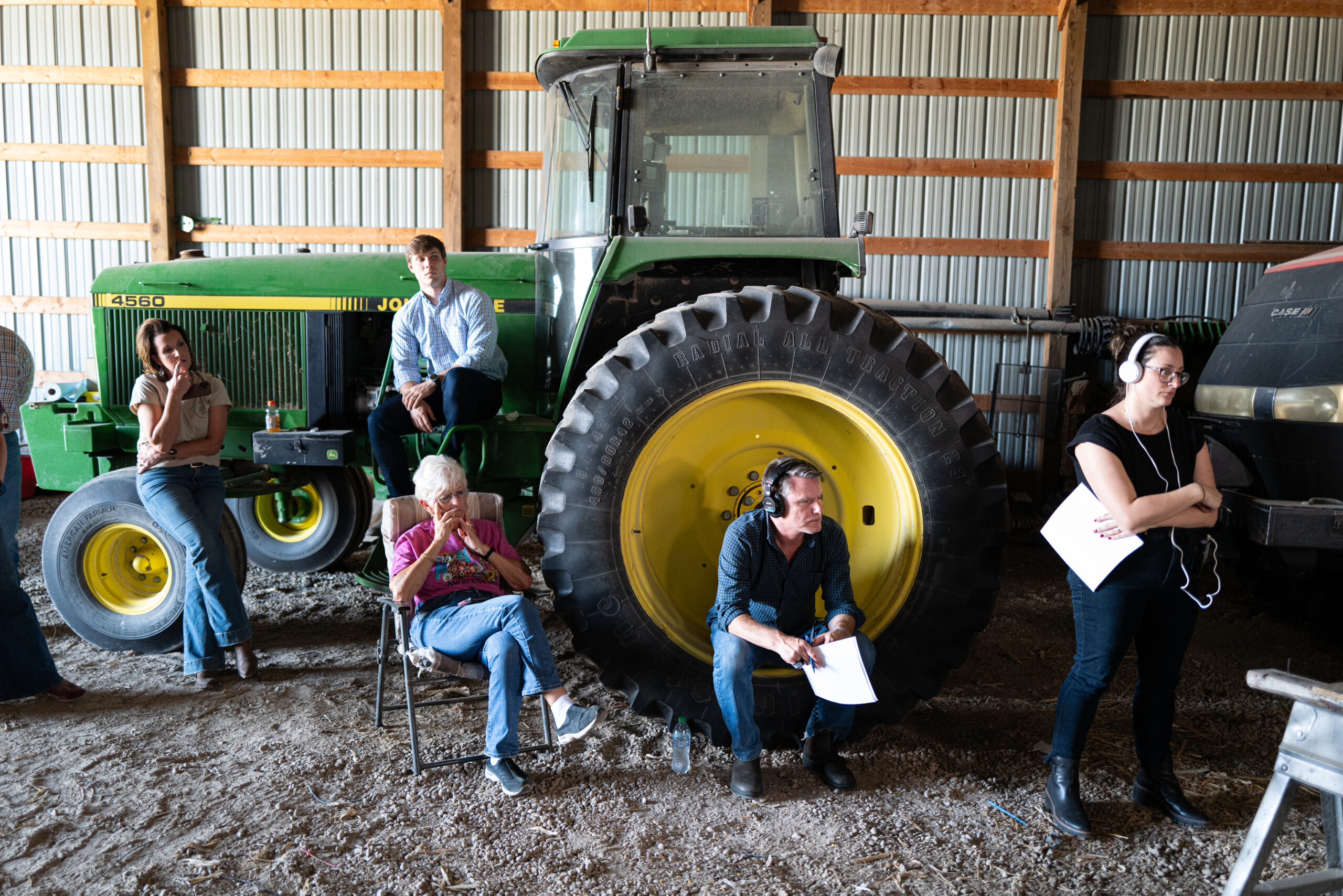
“I looked at [my husband] and I said, New York City — it’s New York City’s calling,” Foreman recalled. “And he goes, hun, call him back. I’m like, no, I’m not doing that. I’ve got to take this call.” So she talked with the producer while pacing around the family’s truck in the parking lot. In some ways, it was a comedy of errors, with the audio switching back and forth between her phone and the truck, but Foreman knew she had to seize the moment. She was right to act quickly: 60 Minutes committed to the story, and just one week later, their crew was filming in Missouri.
Plan ahead but avoid overpreparing.
Staying on message is important, but it doesn’t mean memorizing a script. Being authentic often resonates with audiences more than polish. “A really good friend said, ‘You do your best when you just speak from the heart’,” Foreman recalled. And that’s exactly what she and her family did. To her surprise, the anticipation of the interview was more nerve-wracking than the interview itself. “The camera somehow removed [my nerves],” she said. Foreman also noted that good preparation goes beyond talking points. It’s about confidence and self-belief: “Don’t ever tell yourself that your mission is too small,” she said. “You have knowledge and lived experience that someone needs to hear.”
Expect curveballs and embrace the pivot.
Working with journalists often requires relinquishing some control. You may not see questions in advance, important moments may be cut, and edits may surprise you. Expecting those things and focusing on what you can control — tone and pacing — can help you avoid getting flustered. If Foreman could do it over again, she said she would use her voice more, “not just to answer questions, but to help shape the conversation. In the moment, especially in a high-pressure interview setting, it’s easy to stay in response mode,” she explained. “Next time, I’d be more intentional about turning questions around, asking clarifying questions, and slowing the pace when needed. Those interviews can feel like a bit of a hot box, and I’ve learned that it’s okay to pause, redirect, or take ownership of the narrative.”
Meet people where they are.
Opening hearts and minds to new information requires knowing your audience. To ease fears and minimize defensiveness, it helps to connect journalists with trusted messengers who the audience will be able to relate to, which is exactly what Foreman did. “I wanted them to see true rural America,” Foreman. “I wanted them to see how much we loved our land and the farm and what we do, but also the reality that we are losing farmers.”
Foreman kept that goal in front of her throughout the conversation. Doing so helped her handle a series of curveball questions about how tariffs might be affecting farmers’ finances and their mental health. She wanted to prevent the conversation from becoming too political because, if it did, she knew she risked losing a sizable portion of her audience. Despite being asked the same question about tariffs multiple times, she stayed true to her overarching goal of spotlighting the protective factors that farmers need for when times do get harder.
Don’t forget the power of visuals.
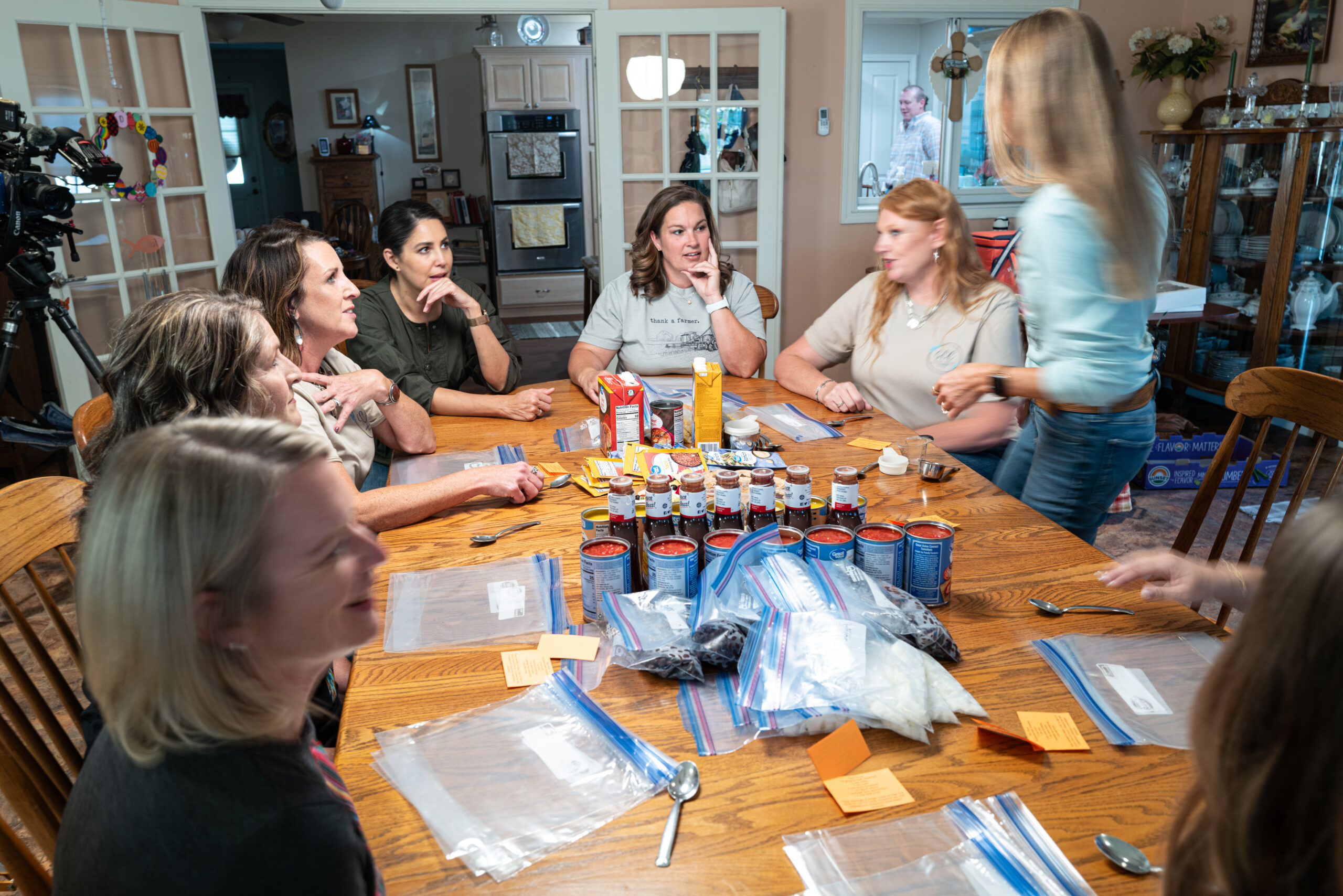
Whether for print, online, or broadcast, visuals help engage readers and viewers. The right selections can make the piece feel more authentic. In Foreman’s case, she helped producers enhance their storytelling by inviting them to film during a small gathering of farmers’ wives, who Foreman described as “gatekeeper[s] into their own homes,” In other words, she explained, if you can connect with spouses, you can make inroads with the farmers. During filming, the wives talked about rural life while meal prepping — a tradition that keeps a key line of communication open in the community. After the segment aired, it was clear it had resonated widely: Foreman said she has received many calls since then, including from a woman in South Dakota who plans to begin the meal-prepping tradition in her own community.
Prepare for what comes afterward.
Vulnerability makes for a powerful story, but as Foreman noted, emotions don’t stop when the cameras do. Also, journalists have varying degrees of training in using trauma-informed interviewing techniques, and sources — especially non–media-trained family or community members — may need space or structured check-ins afterward to process the conversations with reporters.
“Some of the questions were understandably hard, and at times the conversation moved quickly from emotionally charged moments into a different line of questioning,” Foreman said about the interviews 60 Minutes conducted with her husband and father-in-law, who are both farmers, not advocates or media professionals. “I don’t think anyone did anything wrong; I think it was simply a difficult space to navigate. … “That said, I think there’s room, industry-wide, for more intentional aftercare.”
The time between when the crew left and when the story finally aired — 26 days — was also a stressful period for Foreman. “Not knowing the final outcome and ultimately watching it for the first time along with the rest of the world was a unique and difficult experience for our family and community,” she said. “At the end of the day, you are trusting the process and the journalists telling the story, and that means handing over a significant amount of control, which can be both humbling and nerve-racking.”
Looking ahead
Going forward, Foreman said she hopes to see more media coverage and proactive conversations happening around firearms and self-harm so that fewer families “learn about suicide through loss.” To her, meaningful progress means building trust “slowly, respectfully, and consistently,” normalizing discussions about safer storage, and having more robust locally embedded mental health support.
“What gives me hope is seeing people who were once silent start to speak, especially farmers, spouses, and young people,” she said. “I’m encouraged by partnerships forming across agriculture, health care, and community groups, and by the growing recognition that rural solutions don’t have to look like urban ones to be effective.”
While the 60 Minutes segment furthered the momentum that Foreman and her nonprofit, Shelby County Cares, are seeing, she emphasized that there are other ways to shift narratives that don’t require camera crews or resource-intensive productions.
“You don’t need a massive platform to make an impact,” Foreman said. “What you need is credibility, consistency, and care. Change doesn’t always come loudly. Sometimes it grows quietly, one conversation at a time.”